

The psychogeographic route
/Anu Radha Verma's shares her journey, as destinations change.
Read MoreAnu Radha Verma's shares her journey, as destinations change.
Read MoreWalking home from a transit stop is often the last leg of the journey from work or school. Sunjay Mathuria explores the four stages of suburban pedestrian life.
Read MoreLucas Costello talks transit with former Mayor of Toronto, David Miller.
Read MorePhillip Dwight Morgan examines the impact of the new Crosstown LRT on Toronto's Little Jamaica community.
Read MoreShazlin Rahma and many other Muslim women do not feel safe on public transit.
Read MoreHelen Lee on experiencing her native Scarborough by bus.
Read MoreThe Wellness Issue
I wish I could share a different story of my reproductive life, one filled with love and ancient wisdom. But like the stories of many Indigenous women, mine reflects Canada’s ongoing legacy of colonization.
Our identities, no matter how malleable or elastic, are rooted in geographical locations. How do you get well when your wellness is connected to home, and home is thousands of miles away?
As an Indian yoga teacher in white spaces, I occupy a strange position: trying to honour the yogic tradition that I grew up with and simultaneously feeling unwelcome in the space.
Saving money for school, managing competing schedules and spending hours on public transit put immense pressure on me, and left no time to prioritize my health.
Chinese food and certain aspects of Eastern medicine have entered the mainstream, but traditional Chinese medicine is often regarded with suspicion and sometimes labelled as pseudoscience.


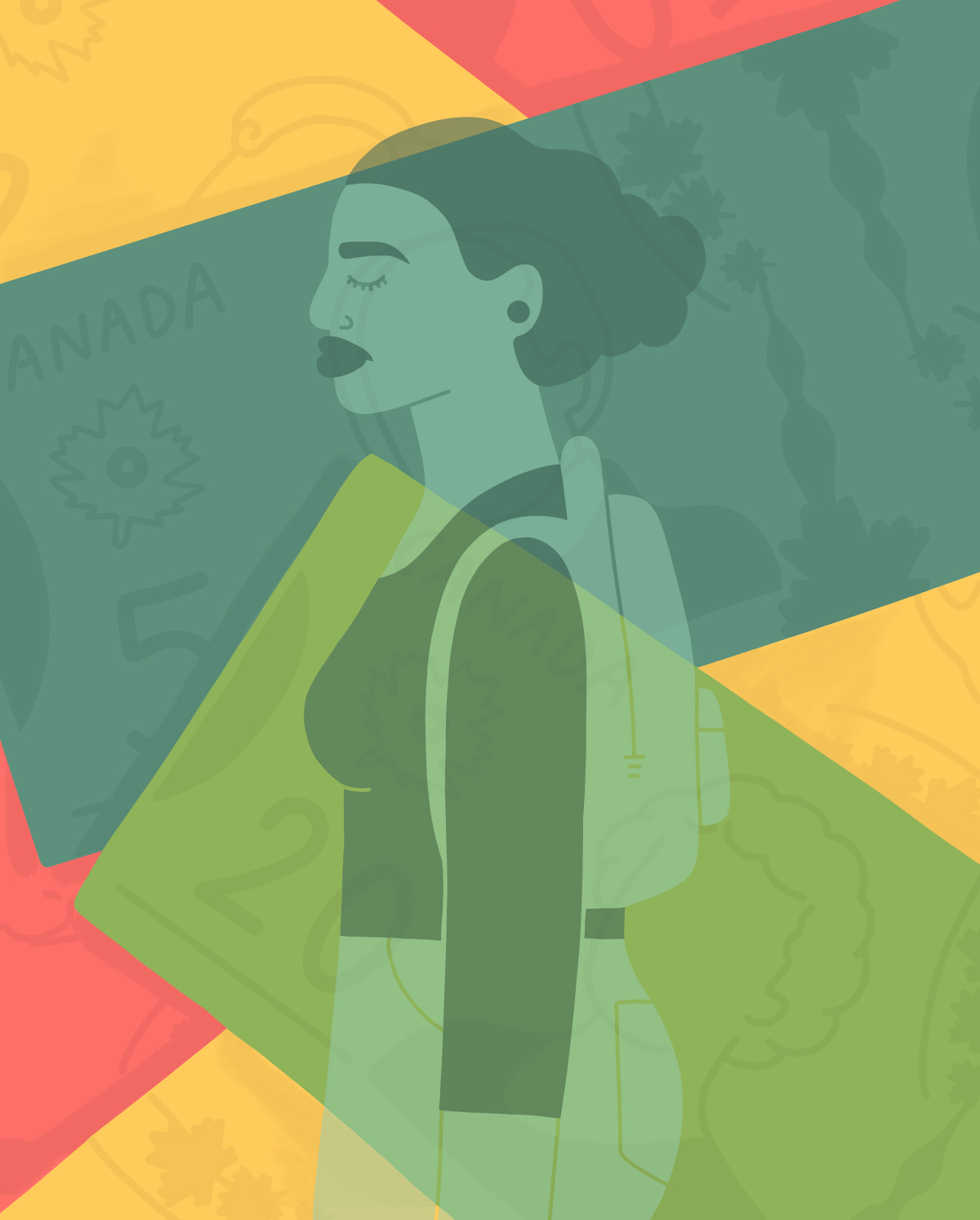


For centuries, community-focused care and ancestral healing knowledge have existed as practices of resistance and freedom for folks of colour.